Don't get caught in the dark in an energy crisis: Talking Points
Key Highlights
- Aging electrical grid infrastructure and severe weather increase the risk of power outages affecting plastics processing operations.
- Solar energy, battery storage systems and microgrids can help plastics processors maintain critical operations during grid disruptions.
- Substation equipment can take two to five years to manufacture, complicating recovery from widespread electrical grid failures.
- Energy efficiency audits can help plastics processors identify opportunities to reduce energy consumption and improve plant resilience.
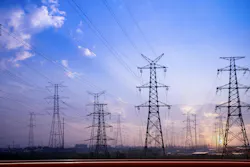
I have written in the past about the need for plastics processors to pay attention to the frailties of the nation’s electrical grid. Frailty is a medical term, but I think it describes perfectly the systems that deliver electricity to your plant.
This is a network of 200,000 miles of high-voltage lines and about 55,000 substations, a complex patchwork built without a master plan. There are actually three grids, with more than 100 regional balancing facilities to manage the flow of electricity.
Three articles in the October issue of PMM — one about a multi-plant processor who has invested heavily in solar energy, another about vanishing federal programs to assist manufacturers with solar installations, and an interview with the plastics industry’s leading expert in plant energy efficiency — once again remind processors they need to pay attention.

The New York Times magazine published a major story in August headlined “What if America Went Completely Dark?” It starts by recounting how two shooters with high-powered rifles fired about 120 rounds into the cooling fins of 17 transformers at an unmanned electrical substation near San Jose, Calif., in 2013. The 19-minute attack knocked the transformers offline for 27 days.
A federal study has surmised that knocking out just nine critical substations among the three national grids could cause the entire country to lose power. The study warned that such a blackout could last 18 months or more.
The components of substations are custom-sized and hand-built and can take from two to five years to manufacture. U.S. companies can produce about 20 percent of our current need, with the rest being manufactured in Mexico, South Korea, China and a handful of other countries, according to the New York Times.
While the nationwide energy grid is a soft target for terrorists, I do not think a nationwide blackout is likely. Possible? Probably. But not likely.
However, more local and regional outages are almost certainly going to happen.
The grid is relying on old, outdated equipment that in many cases has seen upgrades deferred by power companies more worried about their bottom line. Severe weather is increasing, which causes havoc.
And terrorists can still create problems in local areas. In 2022, a shooter disabled multiple transformers at two substations in Moore County, N.C. An estimated 45,000 people lost power for as much as five days.
This may not be your most urgent problem, but it needs to be on your radar.
Solar and other alternative sources of energy can provide a cushion when the grid goes down.
Battery energy storage systems can provider a short-term solution for critical systems. The use of storage batteries is said to be significantly increasing and prices are coming down. There are 25 new battery manufacturing facilities already operating or under construction in the U.S.
A microgrid might be a good solution for your plant. They are already more common than you might think.
Here are two more suggestions:
First, talk to state lawmakers about their responsibility to hold electric providers accountable for providing dependable service. Those lawmakers grant monopolies for electric companies to operate, so they have oversight responsibility.
Finally, read Bruce Geiselman’s interview with Robin Kent, then look around your own plant. I have known Kent for 35 years and he has conducted energy audits in hundreds of plastics processing facilities. I feel safe in saying he is the world’s foremost expert on using energy efficiently in making plastic parts.
Efficiency is not a solution when the grid goes completely down. But in the case of reduced power availability, such as in brownouts or power company mandated rolling blackouts, using every kilowatt you can get as efficiently as possible will be critical to weathering the storm. Taking the steps now that Kent recommends might pay off later.
Take the Machinery Investment Survey
Our eighth annual Machinery Investment Survey is open and I hope you will take a couple of minutes to fill it out.
Each year, we ask processors to anonymously share plans for the upcoming year: What kinds of machinery are you planning to purchase? What business conditions are driving those purchases? And how are factors such as trade policy, labor shortages and interest rates influencing your decisions?
We discuss the results with industry experts and OEM representatives, creating a comprehensive look at the year to come that shapes PMM's coverage and helps you plan your capital expenditures.
Please take three minutes to complete the survey at plasticsmachinerymanufacturing.com/MachineryInvestmentSurvey by Oct. 31. Results will be published in our January print issue and online.

Further reading
 Man holds a light bulb in one hand while doing calculations behind a stack of coins
About the Author
Ron Shinn
Editor
Editor Ron Shinn is a co-founder of Plastics Machinery & Manufacturing and has been covering the plastics industry for more than 35 years. He leads the editorial team, directs coverage and sets the editorial calendar. He also writes features, including the Talking Points column and On the Factory Floor, and covers recycling and sustainability for PMM and Plastics Recycling.