High-performance braided sleeving protects hydraulics, wiring
Key Highlights
- High-performance braided sleeving offers proven reliability, withstanding extreme conditions that cause conventional protection to fail
- Reduces downtime by preventing cable and hose failures that trigger costly production interruptions
- Installs over existing equipment without requiring shutdowns or disassembly for easy implementation
- Adds long-term value, minimizes emergency repairs and extends component service life
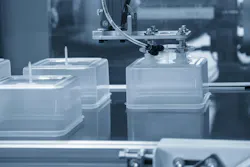
Machinery is constantly exposed to extreme heat, friction and mechanical stress inside plastics processing plants. Electrical wiring and hydraulic lines often deteriorate quickly under these conditions and cause unexpected failures that halt production.
High-performance braided sleeving protects these vital systems from damage and helps manufacturers reduce unplanned downtime and extend the working life of expensive equipment.
The hidden costs of extreme environments in plastics processing
Plastic injection molding and extrusion operations create particularly harsh conditions for electrical and hydraulic systems. The constant vibration from high-speed machinery, combined with thermal cycling, strains insulation materials beyond their design limits. These stressors accumulate and eventually weaken protective coverings on wiring bundles and fluid lines.
Electrical faults and mechanical wear are among the primary drivers of unplanned machine downtime in plastic injection molding facilities. Damaged hoses and wiring failures interrupt production cycles, forcing emergency repairs that can cost far more than scheduled maintenance.
The continuous stress inherent to plastics plants accelerates this deterioration and leads to degraded lines and sudden shutdowns that disrupt delivery schedules. Implementing durable cable and hose protection strategies reduces repair frequency and extends replacement intervals for expensive components.
Superior defense against friction and mechanical abrasion
The interwoven structure of braided sleeving creates a physical barrier between vulnerable wire insulation and the harsh industrial environment. This protective layer shields internal components from heavy-duty friction generated by contact with machinery frames and adjacent equipment. Sharp edges on metal housings and mounting brackets can slice through unprotected cables during normal operation.
Extrusion lines and molding equipment create constant mechanical stress that travels through mounting points and cable runs. Local wire protection solutions absorb these impacts and prevent the cumulative fatigue damage that eventually causes insulation breakdown. The flexible braided construction moves with the cables rather than restricting their natural flex patterns.
Over their service life, high-cycle machinery subjects wiring harnesses to millions of movement cycles while hydraulic hoses experience similar repetitive flexing as actuators extend and retract throughout production runs. The braided structure distributes these stresses evenly and reduces localized wear points that typically fail first on unprotected lines.
Manage high temperatures and thermal stress
Specialized sleeving materials excel in environments where conventional protection methods often fail. The open-weave structure permits heat dissipation while maintaining physical protection and allows hot air to escape rather than accumulating around sensitive components. This ventilation becomes critical near injection nozzles and heating elements where ambient temperatures climb rapidly.
Advanced polymer formulations have been engineered to address extreme industrial conditions. High-performance expandable sleeving provides thermal protection where conventional materials may fail.
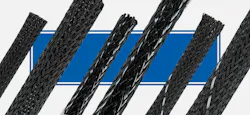
Material selection is critical for performance in these environments. For example, Monoflex PEEK sleeving, composed of polyetherether ketone (PEEK), demonstrates exceptional chemical, mechanical, and thermal resistance. This material maintains structural integrity at temperatures up to 500 degrees Fahrenheit and is able to “withstand multiple sterilization methods for thousands of cycles,” according to manufacturer Atkins & Pearce.
Beyond thermal resistance, the chemical properties inherent to PEEK construction protect against hydraulic fluids and processing chemicals that contact cable runs in industrial settings. These materials maintain their protective performance through repeated thermal cycling during normal production schedules.
Flexibility and fluid resistance for complex systems
Braided sleeving solves installation challenges that rigid conduit cannot, thanks to its flexibility. Stretching to accommodate bulky connectors and electrical terminations, the material eliminates the need to disassemble existing wire harnesses. This expandability proves essential when retrofitting protection onto operating equipment or routing cables through tight bends around machinery frames.
Unlike solid tubing that traps liquids against cable surfaces, the open weave allows fluids to drain quickly. Coolant spray and hydraulic leaks pass through the braided structure rather than pooling within protective coverings. This drainage prevents the corrosion and electrical shorts that usually happen when moisture remains in contact with conductors and metal fittings.
Proper sizing ensures maximum performance from local wire protection solutions. Braided sleeves contract in length when expanded in diameter, so engineers must add extra length to their calculations.
"Finding the correct cable sleeve size is crucial for optimal protection and organization of your cables. The right sleeve guards against environmental hazards and enhances the overall functionality and lifespan of your cable system," according to Atkins & Pearce's sizing guidance. Adding a few centimeters to the total harness length calculation compensates for this dimensional change and prevents installation problems.
Frequently asked questions about high-performance braided sleeving
Choosing the right cable protection means understanding how different materials perform under specific operating conditions. Plant managers and engineers frequently evaluate factors ranging from installation methods to long-term durability when specifying sleeving for critical systems.
What temperature range can braided sleeving handle in plastics processing?
Material selection depends on your equipment's operating environment. Basic polyester options work well in moderate conditions, but facilities with high thermal exposure should consider advanced polymers. PEEK formulations, for instance, maintain structural integrity at 500 degrees Fahrenheit (260 degrees Celsius) continuously, making them suitable for zones near heating elements and injection nozzles where standard materials would fail.
How does braided sleeving protect against abrasion differently from solid conduit?
Rigid conduit creates fixed contact points where cables repeatedly rub during normal vibration, concentrating wear in specific locations. Braided protection flexes alongside your wire harnesses and hydraulic lines, distributing mechanical forces across the entire covered length. This prevents the localized damage patterns that lead to premature component failure in high-movement applications.
Can braided sleeving be installed on existing equipment without downtime?
The expandable diameter allows technicians to slide protection over fully terminated connections and assembled harnesses. Retrofit projects can proceed during planned maintenance intervals rather than requiring production shutdowns for cable disconnection and reassembly. This makes upgrading cable protection feasible on legacy equipment that lacks adequate shielding.
What maintenance does braided sleeving require?
Routine visual checks during scheduled equipment inspections verify proper positioning and identify any physical damage from external impacts. The material requires no ongoing lubrication, tension adjustment or periodic replacement unless external forces damage it or system rewiring changes cable routing requirements.
How does the open weave prevent fluid accumulation?
The space between interwoven fibers creates drainage paths that prevent liquid pooling against electrical connections. Coolant overspray and minor hydraulic seepage pass straight through rather than becoming trapped inside sealed conduit, where moisture contact causes progressive corrosion and insulation breakdown over time.
A proactive approach to equipment longevity
Protecting electrical and hydraulic systems with quality sleeving is a strategic investment. The cost of implementing comprehensive shielding remains minimal compared to emergency repairs and lost production time. Facilities that prioritize proactive measures create more predictable maintenance schedules and avoid the cascading problems that follow equipment failures.
About the Author
Megan Vitanza
Megan Vitanza is a Senior Digital Marketing Specialist for the agency WebFX, with over a decade of experience in SEO and content strategy.