Correcting perceptions of single-use plastics
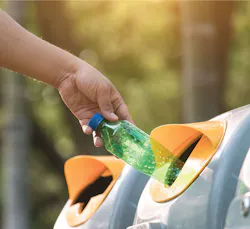
As readers of Plastics Machinery & Manufacturing already know, the federal government, under pressure from environmental activists, is considering a proposal to reduce federal purchases of single-use plastic products.
The Plastics Industry Association continues to reiterate the need to deal with plastic waste through improvements to the current recycling system. However, to reach common sustainability and environmental goals, the implementation of a rule such as this would defeat its own intended purpose, causing more harm than good.
Walking away from plastic is not a sensible thing to do:
Plastics are important to our economy. Plastics manufacturing is one of the largest manufacturing sectors in the United States, and the products produced with plastics are essential to virtually every sector of our economy. Consider just how much of your daily activity is made more economical and efficient due to plastic, how much job growth and revenue creation are associated with the plastics industry, and what that means for states, cities and towns that are reliant on plastics production and recycling.
Plastics are environmentally friendly. Other materials use more energy, resources and water in the production and transport process than plastics. Other materials are heavier, requiring more vehicles and gasoline to transport and move them, which results in more emissions. Even when products have reached the end of their usefulness, the recycling process for plastics is better for the environment than processes for alternative materials.
How plastics stack up
When you compare how materials impact the environment, plastic is clearly the best choice over often-cited alternatives:
Paper: Because of the paper pulp used in production, a paper bag must be reused eight times to offset its environmental impact compared to a plastic bag.
Cotton: Organic cotton totes have to be reused over 20,000 times — that’s every day for 55 years — to offset the environmental costs of production.
Aluminum: Mining involved with aluminum is environmentally detrimental and upsets the nearby habitat. Post-mining production of aluminum accounts for more than four times the emissions of a same-sized plastic product.
Glass: Glass containers use 90 percent more material by weight than plastic containers, making plastic lighter to transport while using less fuel resources and lowering emissions.
Consider the ripple effect
A proposal to restrict the federal government’s purchase of certain plastics would send shockwaves through an already strained supply chain that depends on plastics:
Shipping and logistics: Durable and lightweight, plastic packaging protects goods during transport while reducing both shipping costs and emissions.
Construction: Plastics are the ideal alternative to traditional materials like metal or wood; they’re versatile, long-lasting and strong, and can also make construction safer and more affordable.
Infrastructure: Federal efforts to update roads, buildings, piping and other infrastructure are possible because of the benefits of plastics.
Food packaging: Plastics allow for longer sell-by and use-by periods for food products, and protect items in transit, lessening the likelihood of food waste that contributes to greenhouse gas emissions.
Put simply… single-use plastics just make sense
If our goal as a nation is to reduce emissions and conserve resources, there is no better tool than plastics:
Carbon conservation: Single-use plastics not only produce fewer emissions during production and transport than alternatives, post-use recycling processes are more environmentally friendly, as well. Advanced recycling of single-use plastics can reduce carbon dioxide emissions by up to 50 percent.
Energy conservation: Because plastics are lighter to move around, they help conserve fuel and energy. One study found that using alternative materials like glass, aluminum and paper would result in energy costs that are four times higher.
Water conservation: Reusable products often require continuous washing, which uses a lot of water, in addition to the large amount of water used in producing them. The production of plastic items uses less water in production and results in products that can be reused multiple times, outliving their original single-use designation.
The United States has a sustainability ambition of net-zero emissions by 2050. Plastic can be a partner in working to reach such goals. However, restricting federal purchases of plastic materials in favor of alternatives with the intention of helping the environment would seriously hamper the ability of the plastics industry to be the strongest partner possible.
Learn more
The above is just a sample of the in-depth information on this subject available at ThisIsPlastics.com. Visit today to learn about the benefits of plastics and further explore the ramifications of this proposed federal rulemaking on single-use plastics.