The packaging paradox
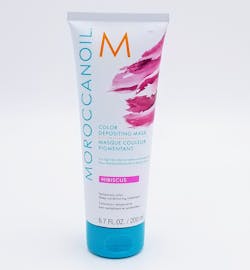
Plastic is a hero in the packaging market, offering light weight, durability and superior protection for the goods inside. At the same time it's also regarded as a villain, generating a stream of waste that mostly ends up in landfills or the environment, overwhelming inadequate recycling systems that struggle to cope with the variety of materials and the sheer volume.
Senior Staff Reporter Karen Hanna examined the issue from various angles for our June cover story.
• Stakeholders must weigh the many advantages of plastic packaging against its sustainability problems, including the urgent need to buttress recycling infrastructure and find other approaches to handle end-of-life plastic.
• The push for sustainability has added new wrinkles, inspiring products with thinner walls or more recycled content, and containers that can be refilled rather than thrown out. Here's how two companies are meeting the challenge.
• Life-cycle assessment helps manufacturers weigh their options based on environmental factors such as recyclability, emissions, transportation needs and weight.
• The Pet Sustainability Coalition hopes to teach pet-food manufacturers a new trick, urging a transition to mono-material bags and other steps to keep 300 million pounds of packaging from landfills.
More stories on packaging from previous reports
- Consumers are demanding greener solutions, and companies are responding with changes in design and materials that improve circularity.
- Extrusion machinery sales are strong due to pandemic-related demand and a shift to more-sustainable materials.
- As momentum grows for legislative action, advocates and opponents issued varying views on the implications for two interests: Jobs and sustainability.
- Associations are tracking challenges in the industry, including those posed by the pandemic and the worker shortage.
- At Altium Packaging, design must balance competing demands for sustainability, refilling, lightweighting and e-commerce, as well as bulk-purchase trends.
- Arburg's Michael Sansoucy says the company takes seriously its role in finding solutions to deal with plastic waste.
- Two Engel approaches to incorporating recycled content could help molders strike a balance between sustainability and product performance.
- More companies are switching from rigid to flexible packaging, which can reduce the amount of plastic used by 40 percent to 90 percent, according to ProAmpac, a global flexible packaging company.
- Sealed Air, best known as the maker of Bubble Wrap, has long been involved in developing more “environmentally friendly” packaging materials.
- Ciaran Little of Smithers, a multinational provider of testing, consulting, information and compliance services, shared his thoughts on market forces and trends.